
Basement Waterproofing
Control water entering through basement walls, floors, joints, or openings with a plan suited to the source and the building.
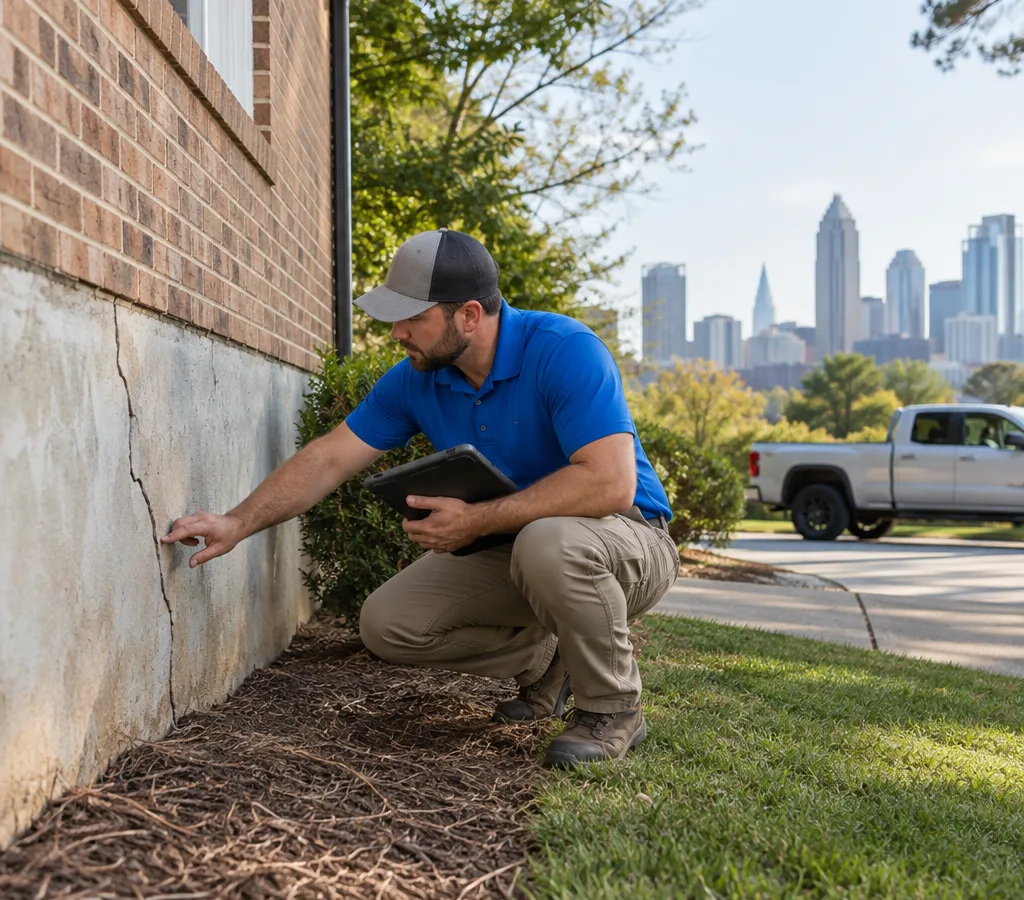
Protect your home’s stability by addressing cracks, uneven floors, sticking doors, and settlement with a repair plan based on the structure, soil conditions, and cause of movement.
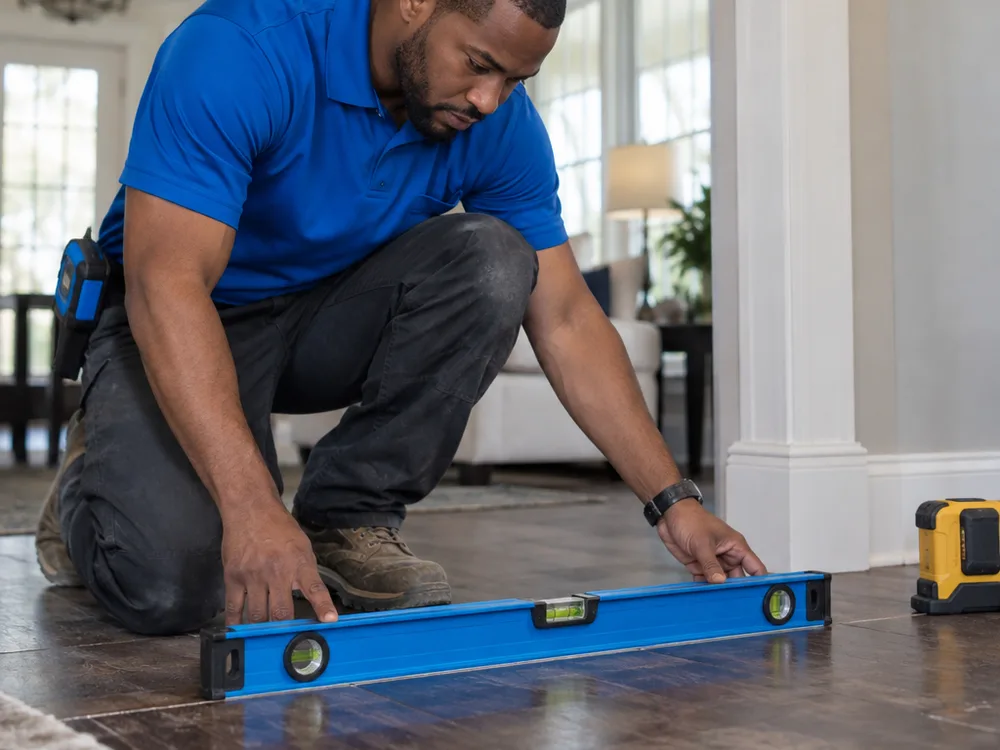
Atlanta foundation repair starts with finding out whether visible damage is cosmetic, moisture-related, or evidence of structural movement. Common warning signs include stair-step cracks in brick, widening wall cracks, sloping floors, separated trim, sticking windows, and gaps around doors.
Atlanta sits in Georgia's Piedmont region, where clay-rich soils can change volume as moisture levels rise and fall. That movement can place pressure on footings, foundation walls, slabs, and crawl space supports. A proper evaluation considers crack patterns, floor elevations, drainage, framing, and the location of the affected areas before repair methods are discussed.
Depending on the cause and foundation type, repair may involve stabilizing settled sections with piers, correcting weakened crawl space supports, repairing structural cracks, or addressing drainage that contributes to soil movement. The goal is a clear scope that treats the cause rather than covering visible symptoms.
Control water entering through basement walls, floors, joints, or openings with a plan suited to the source and the building.
Identify and address water intrusion around below-grade spaces, foundation walls, joints, and other vulnerable parts of the property.
Review what to look for when choosing a contractor to diagnose water entry and recommend appropriate corrective work.
Limit water reaching foundation walls and below-grade areas by addressing vulnerable surfaces, penetrations, drainage paths, and wall-to-floor joints.
Separate the crawl space from ground moisture with a sealed liner and related moisture-control measures suited to the space.
Repair cracked, spalled, sunken, or damaged concrete after evaluating the condition and the reason the damage developed.
Install a sump system to collect and discharge water that reaches a basement or crawl space drainage system.
Crack direction, floor elevation changes, drainage, framing, and foundation type help distinguish isolated surface damage from active settlement or structural movement that requires stabilization.
Slab foundations, basements, and crawl spaces transfer loads differently. The repair method should fit the foundation, the affected section, and the conditions beneath it.
Roof runoff, grading, concentrated discharge, and changing soil moisture can contribute to movement. These conditions should be considered before the repair scope is finalized.
A useful scope identifies affected locations, proposed repair methods, access needs, and related preparation so the homeowner can understand what work is being recommended.
Stair-step masonry cracks, separated trim, sticking openings, bowed walls, and sloping floors provide useful clues when considered together rather than judged one at a time.

Foundation Repair Atlanta Georgia provides foundation repair services in Atlanta, GA, and nearby areas.
The work begins with the condition of the home. An evaluation should connect visible symptoms to a likely cause, identify the affected structural areas, and explain why a particular repair method fits. Homeowners need practical information about access, preparation, the proposed work, and what should be monitored afterward.
Clear communication matters because foundation repairs can vary greatly between homes. A narrow wall crack may call for a different response than settlement affecting floors, masonry, and door openings. Foundation Repair Atlanta Georgia approaches each property according to its construction and observed conditions rather than assuming every crack needs the same repair.
Foundation repair in Atlanta typically costs about $2,000 to $8,000 for many moderate projects. Minor crack repairs may cost roughly $500 to $2,000, while extensive stabilization with multiple piers or major structural work can exceed $15,000.
The final price depends on the foundation type, extent of movement, repair method, number of support points, site access, excavation, and related drainage or masonry work. Because similar cracks can have different causes, the exact cost is confirmed after an on-site inspection.
Describe where cracks, uneven floors, sticking openings, or other changes appear and when they were first noticed.
The evaluation reviews affected rooms, exterior walls, foundation areas, drainage conditions, and other accessible evidence of movement.
Findings are used to identify the affected area, appropriate repair method, access requirements, and any related preparation.
The planned repairs are carried out at the identified locations, with the work focused on stabilizing or correcting the documented condition.
The completed work and relevant follow-up considerations are reviewed so the homeowner understands what was addressed and what to watch over time.
Foundation movement rarely becomes clearer by waiting. Arrange an evaluation and get a repair scope based on the conditions at your home.
Call (470) 934-3230Foundation Repair Atlanta Georgia works with homeowners throughout Atlanta, including established neighborhoods with varied foundation types, lot grades, and housing ages.
Early twentieth-century homes, mature trees, and sloped lots make careful review of masonry cracks, drainage paths, and crawl space supports especially relevant.
Historic houses and older masonry construction can show settlement through stair-step cracks, uneven floors, separated trim, and changes around windows or doors.
Large homes, varied construction periods, and rolling lots require repair plans that account for foundation type, additions, drainage, and access around the structure.
Older housing stock and many raised foundations make crawl space supports, perimeter masonry, floor movement, and exterior drainage important parts of an evaluation.
Bungalows, renovated homes, and sloping properties can present mixed conditions involving older supports, later additions, grading changes, and concentrated roof runoff.
Historic cottages and newer infill sit on varied lots, so assessments should distinguish movement in original construction from issues involving additions or altered drainage.
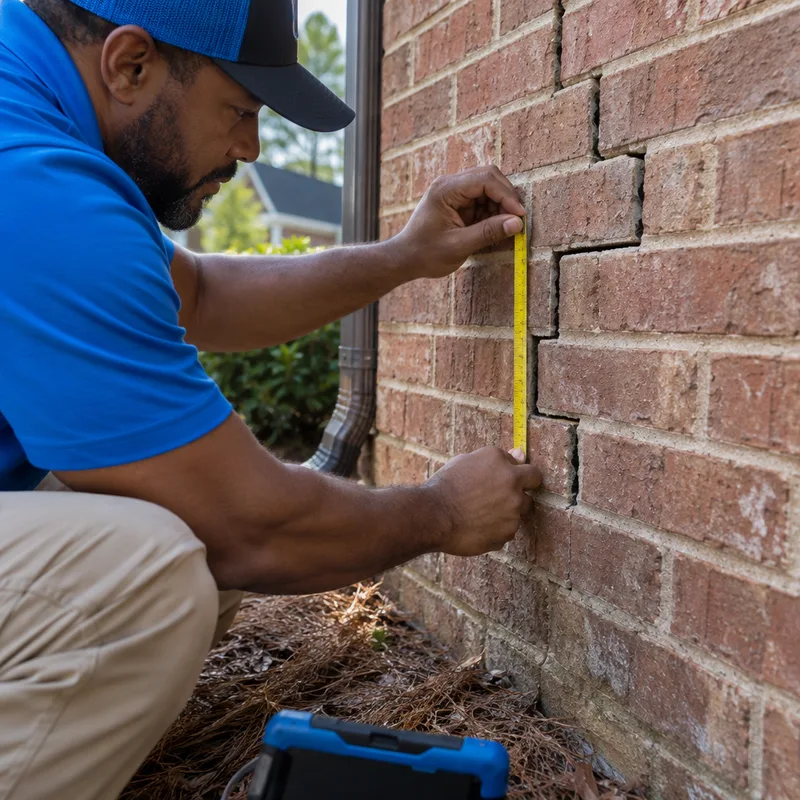
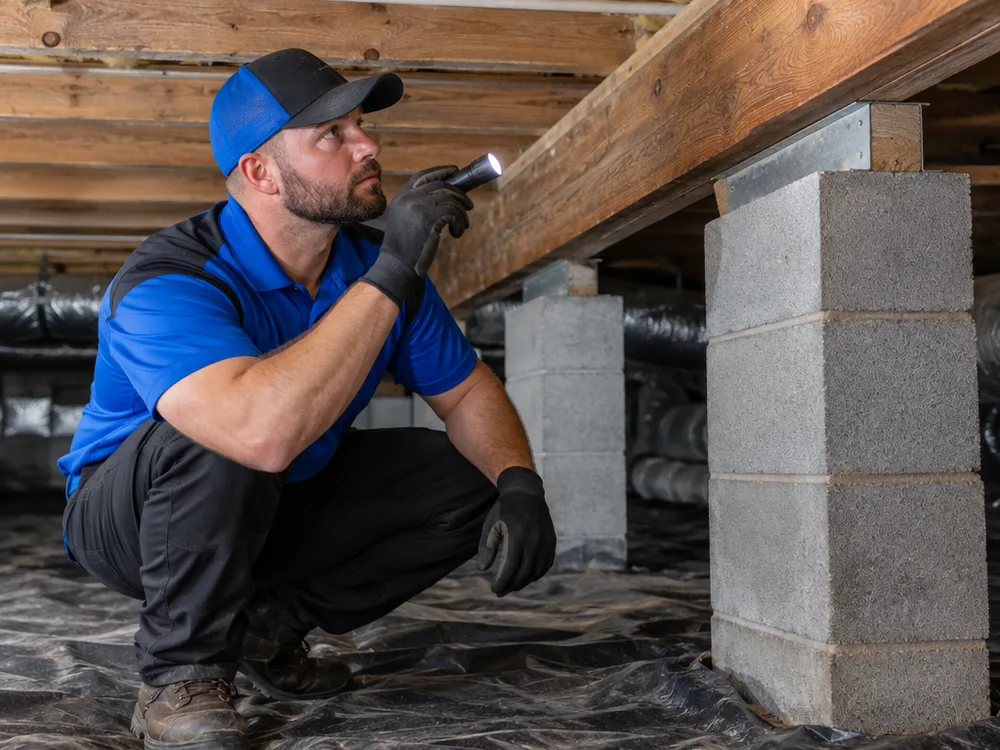
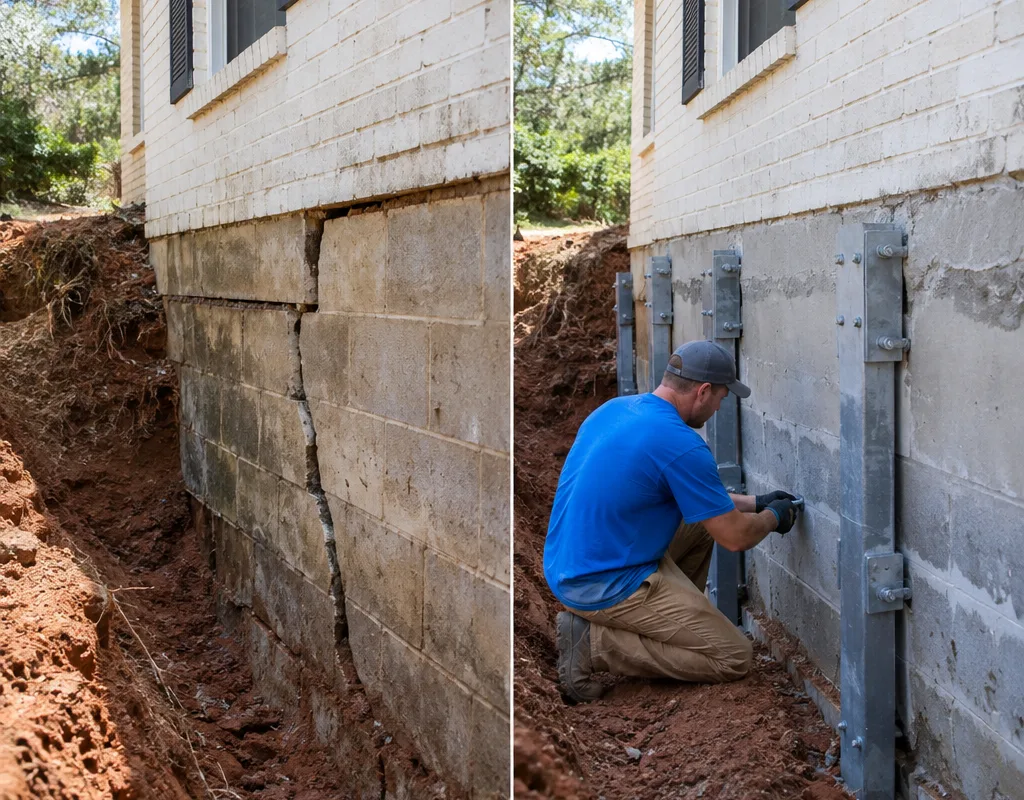
Provide the property location and describe the changes you have noticed. Helpful details include where cracks appear, whether floors have shifted, and whether doors or windows recently began sticking.
Foundation repair can be planned for slab, crawl space, and basement construction. The recommended method depends on how the structure carries its load, where movement appears, and what conditions are accessible for inspection.
The crack should be evaluated before choosing a repair. Buyers may ask about structural movement and completed work, so a documented assessment and defined scope are more useful than a cosmetic patch.
Many repairs can be completed while the home remains occupied. Access, excavation, noise, dust, and temporary restrictions depend on the repair locations, and those practical details should be discussed before work begins.
Photos, approximate crack locations, recent changes, and any known drainage or renovation history can help frame the initial discussion. An on-site inspection is still needed to assess the structure and confirm a repair scope.
Foundation Repair Atlanta Georgia serves Atlanta and nearby areas. Property location, foundation type, and the nature of the concern are reviewed when arranging the next step.
Describe the warning signs you have noticed and arrange an on-site evaluation. You will have a better basis for deciding what needs repair and why.